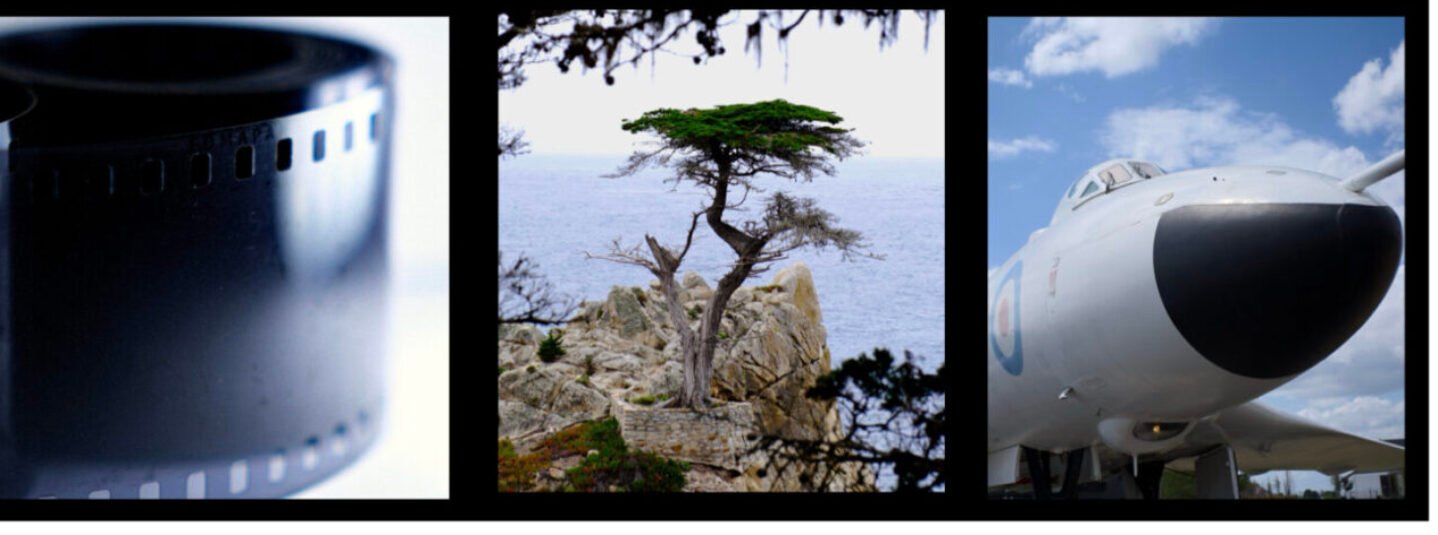
All Digital
It’s difficult to comprehend how far digital cameras have advanced in the time they’ve been available on the high street. From ridiculously expensive “this is never going to catch on”, to 4k video on your mobile phone. Much like technology in general since the late 1960s maybe, the pace of development has been acute. Running to standstill is no longer an option!
Some of us remember one of Apple’s rare failures, the 1994 QuickTake 100 and later Sony’s 1981 Mavica, which at least had removable storage media, even if it was a small floppy disc. But in practical terms, neither was going to ween people off film.
Not until the arrival of models with what’s now consider “normal” silicon based storage media, like Compact Flash (CF), Smartmedia, or Memory Stick, and at prices approaching affordable, did the digital format take off.
At first, they were usually powered by a quartet of AA cells, which did nothing for the weight, possessed a rear LCD the size of a postage stamp and used a sensor generally not much more than 2 Megapixels.
Part of my annual bonus at work one year, allowed me to treat myself to a piece of the latest technology, and a Canon Powershot A20 accompanied the family and myself to Italy in 2003 (along with the existing Canon EOS 1000Fn 35mm).
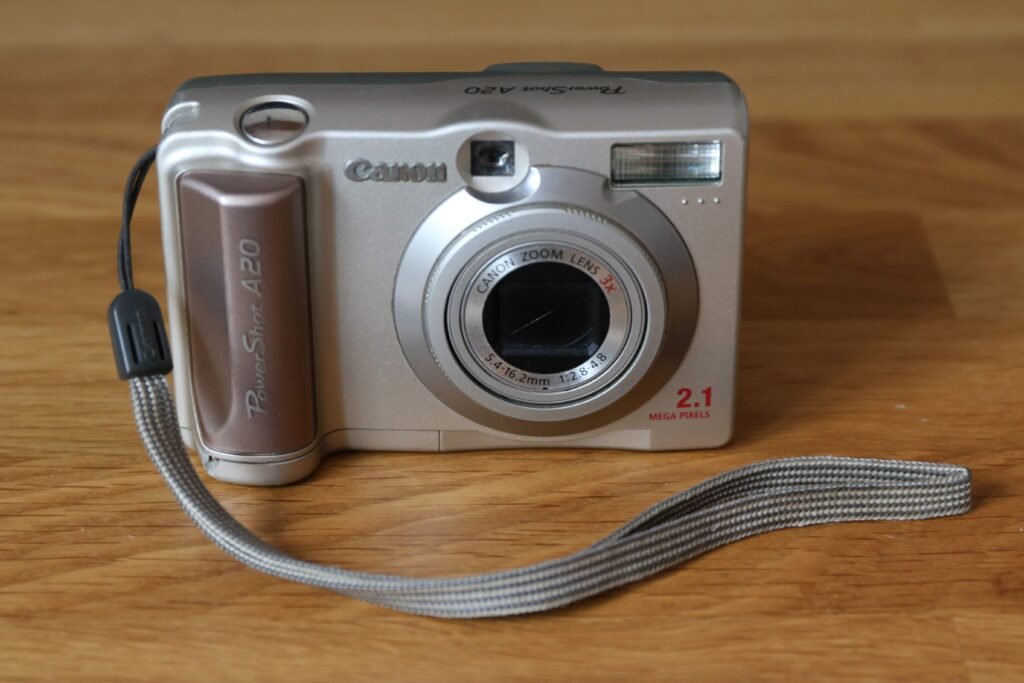
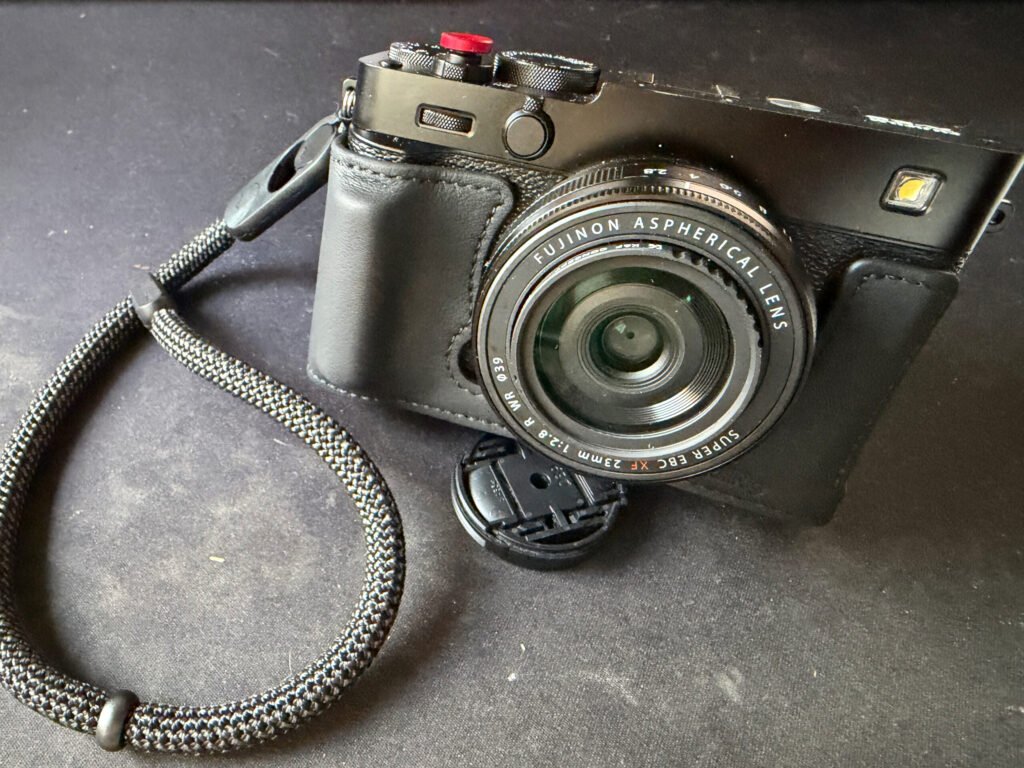
Fast forward 23 years, and we have image sensors in most cameras infinitely more capable than the 2.1 Megapixel (MP) offering in the A20, more importantly though, we also have processors and software to exploit them. We’ve lost Smartmedia and Memory Stick along the way, though CF lingers but not in cameras, while the SD card in various guises has prevailed. With CFExpress already established at the more professional end of the market, you’d guess that may trickle down eventually.
Generic AA alkaline and Ni-Cd rechargeable batteries have given way to much longer lasting Li-Ion, though custom shapes may mean you need new spares for your next model camera and no nipping into the nearest supermarket for a pack of whatever AA batteries they have either.
But it’s the digital sensor at the heart of every camera where most will acknowledge the changes have come. In my case, the 2.1MP 1/3.2″ CMOS sensor in my A20 was replaced by a 6MP 6 sensor 22.7 x 15.1 mm in size, a fraction under what’s now commonly known as APS-C, in a Canon EOS 300D ( Or a Digital Rebel if you’re in North America, Digital Kiss if you’re in Japan). Largely considered the first affordable consumer DSLR, assuming just shy of £1000 was affordable, but the 300D would at least accept the same EOS lenses from my EOS 100fn film camera, so saving money in one respect.
Virtually every other camera manufacturer ended up playing catch-up in one way or another, and we also saw the start of what was christened the “Megapixel Wars”, as technology allowed greater and greater pixel densities on the same size chunk of silicon, and companies strove to create headlines extolling how many their latest and greatest possessed. Being able to look through 20 odd years of image backups rather highlighted how after a certain point, rampant marketing overtook other factors.
That 6MP sensor gave way to 10Mp, then 12MP and 16MP but a smaller sensor, 24Mp and full-frame, until finally (for now you’d think!) 40Mp and again a smaller sensor. Can I tell the difference between the images created by them all? To a large extent, not easily!
Then there’s the arguments about sensor size, with those using full-frame, i.e a sensor basically the same size as a single frame of 35mm film, seemingly looking down on those with anything smaller. Having used Micro Four Thirds for ten years, I know it’s real, that sneering look at a wedding I was asked to do said it all. But the end result and knowing how to use your tools is everything in any job, and the printed album came with the right sort of tears! Still, anyone using a medium format digital camera simply says, “hold my beer”.
If you’re brave enough to wander through my blog posts from earlier this year, you’ll find I’ve had arguments with myself over sensor size. This is because with full-frame sensors naturally come the lenses need to go with them, and there’s no escaping one crucial factor; weight. Rather than repeat myself, take a peek at Decisions, Decisions and No Var Needed
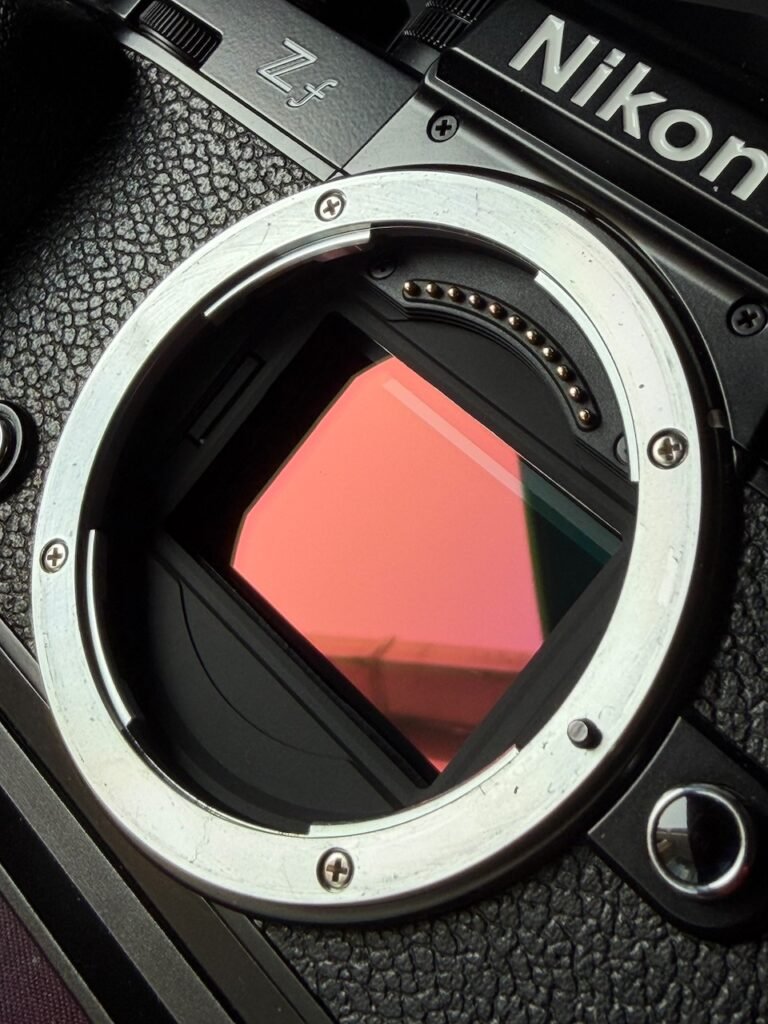
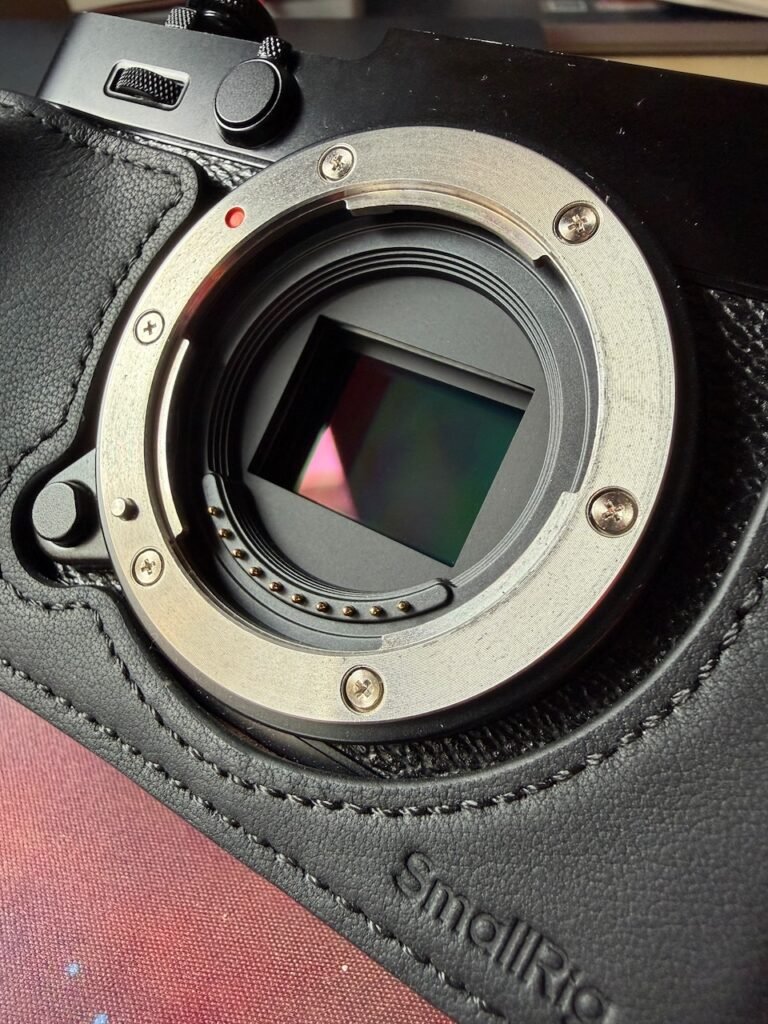
Photography like life is often a trade off. A fine balancing act between what you’d like, often what you can afford and what’s available. If absolute ultimate image quality is everything, you’ll need very deep pockets and often a big gadget bag. Unless you plan to make huge prints, or expect viewers to magnify your image to the nth degree, you can obtain the result you’re looking for at a much more wallet friendlier pricer and less back ache.
Now there’s also another bane or benefit of digital media to contend with, AI. Be it post processing tools like Adobe’s Photoshop or Lightroom, to the Photo’s app in every iPhone and the Android equivalents, all are now capable things simply impossible in the days of graft in a darkroom.
We may have been tweaking digital images in one way or another for two decades, but there’s a big difference between a quick crop to improve framing, correcting odd white balance, cloning random bits of street furniture out of shot or making someones skin look nicer, and adding things that simply weren’t there! Are you taking a photograph of what exists, or creating an image without leaving your desk?
The question then becomes, just how far do you want to go? At what point does ability to use a camera properly, “visualise” your image, make the effort to travel to find the location maybe and then have the willingness to wait for the light, end, and a computer generated vision start?
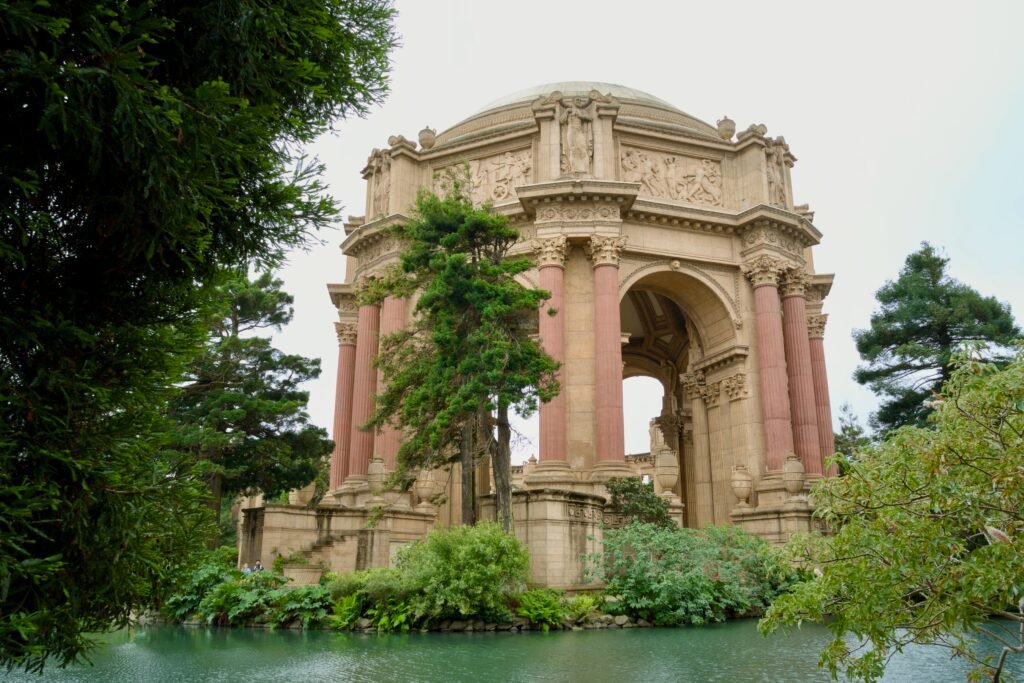

See what I mean! No guesses which is the original. A few clicks in Luminar Neo and I’ve added what mother nature wouldn’t.
Me, I’m old school. I like real images and real intelligence, there’s far too many artificial people already.