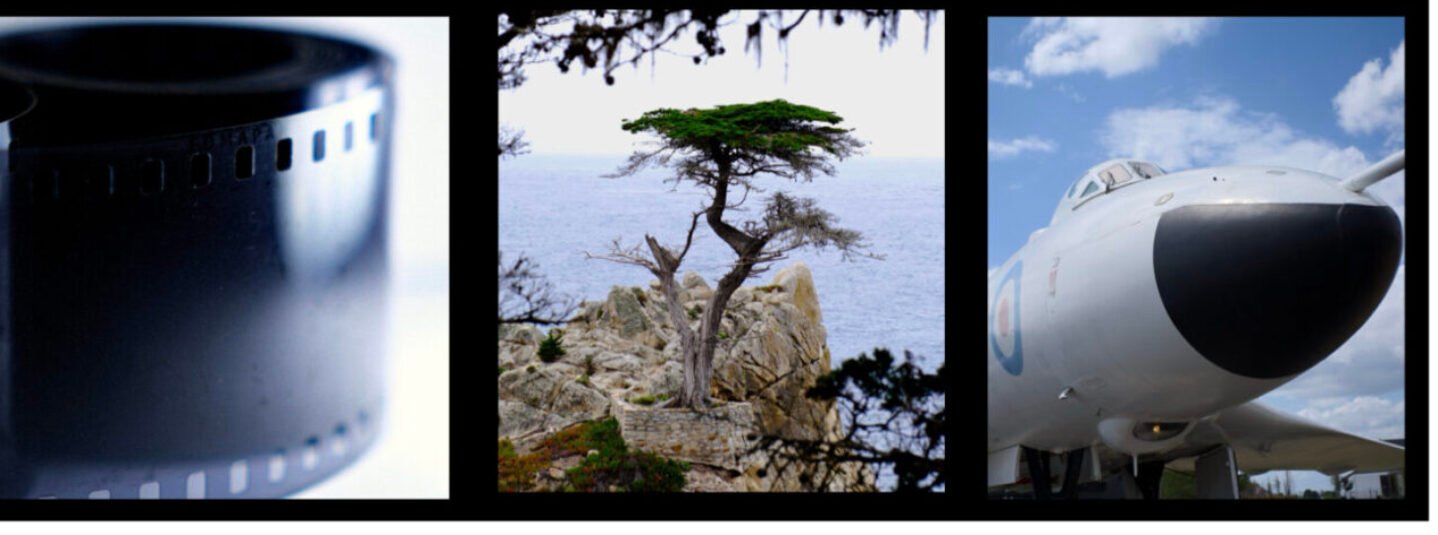
Newark Air Museum
Possibly one of the best independent aircraft museums in the UK, and certainly one of the larger collections. Newark Air Museum makes a good day out for the aviation enthusiast.
Location
The museum is easy enough to find and is just off the A1 along the A46. However, I strongly recommend you look at the information provided by the museum themselves on their website, because it’s easy to get in the wrong lane or follow the wrong “attraction” signs at the nearby road junction.
Getting back onto the A1 can also be frustrating, as the A17 and A46 roads intersect at a roundabout which has a southbound exit to the A1. Consequently, and with a high volume of articulated lorries using both the A roads, the roundabout has tendency to snarl up quite easily.
As the museum have now negotiated the purchase the site they occupy, and securing their future, some changes to access may well occur as a result.

The Museum
Spread over 16 acres, including three large hangars and some smaller buildings, it takes you a good few hours to do the collection justice. Theres close to 30 aircraft outside, including a Vulcan bomber with a Blue Steel missile, the only remains of an Avro Ashton in the country and two complete English Electric Canberra, plus three cockpits all of varying marks.
In the aircraft hangars, there is an excellent collection of RAF training aircraft, the unique pair of prone pilot trials aircraft in the shape of a Reid Sigrist Bobsleigh and Meteor F.8 Mod, as well as another unique Meteor, the F.9 Mod used as a lift engine trials aircraft for the Rolls Royce RB.108. In total, there are 53 aircraft on display.

Also under cover are a trio of exceptional Swedes, a Saab Draken, Saab Viggen and a much smaller Saab Safir. There’s a good collection if helicopters as well, including the unique homebuilt Zurowski ZP.1.
One of the smaller buildings houses a dedicated engine display, with others distributed around the aircraft displays in the hangars. The 40 or so on show vary from 1920s pistons, through much larger Daimler Benz 601 and Pratt & Whitney Twin Wasp, to early jets and even rocket motors.
Facilities
The museum has a small cafe, which also has additional outside seating for the sunnier days. There’s a well stocked shop offering a good collection of books, models and momentous etc, and this is located in the entrance/exit building.
The site is dog friendly, much of it is wheelchair accessible as well, though closer access and off the main pathways to the aircraft outside could be difficult, as these are all on grass.
Parking is free and admission is very reasonable, with OAP and family rates available.
Nearby
Once you’ve finished your visit, naturally enough the market town Newark is only a short distance away. Further afield, Lincoln and its impressive cathedral is only a half hour’s or so drive along the A46.
For those wishing to avoid the town centres, I can thoroughly recommend, Doddington Hall and Gardens, which also has an exceptionally good farm shop and restaurant.


Photos taken over two visits, using Olympus E-M5 with m.Zuiko f2.8 12-40 Pro, and Nikon Z5 with Nikon Z 35-70 f4.