Small Packages
Before the XA series, and for a couple of years alongside it, Olympus produced another generation of small compact cameras in the shape of the PEN series. Both the PEN and the XA were the work of revered Olympus designer Yoshihisa Maitani, who also shaped the OM range of 35mm SLR cameras.
The first PEN arrived in 1959, a diminutive and minimalist fully manual camera, with a 28mm f3.5 lens, only four shutter speeds plus bulb, and an aperture adjustable from f3.5 to f22. But what really made all the Pen range different, is that they are all half-frame cameras, so your average roll of 36 exposure 35mm film, will produce 72 images. One reason for this decision was to make the camera itself small, the other was the cost of film when the camera was first released; more photos for your Dollar, Yen or Pound.
Over time, the half-frame format itself became popular, leading to 19 Pen models in all, admittedly some more successful than others, but some now also highly collectable and hence rather expensive. The PEN F series of half-frame, rangefinder style, interchangeable lens SLRs launched in 1961 are especially sought after.
Surprisingly, the final Pen model arrived in 1981, in the shape of the PEN EF, complete with pop-out flash and a wider range of shutter speeds than it’s predecessors. However, the more modern looking XA series had been launched, 35mm film was a commodity item and there were plenty of other small compacts on the market, which took “normal” full size photos, including the XA’s.
Only recently with the return to popularity of shooting with film, have we seen a few new half-frame film models, including the rather tasty Pentax 17. But should you want a half-frame digital camera, there is only one, the Fuji X Half.
Beyond the basics of pressing the shutter button and taking a photo, shooting half-frame isn’t quite the same as full-frame, 35mm or digital for that matter. It may say half-frame, but in truth, it’s half the width of a 35mm frame, yet still the same height, so the viewfinder is effectively in portrait mode when the camera is held normally, and you have to rotate it for landscape, the opposite to how you usually use a camera.
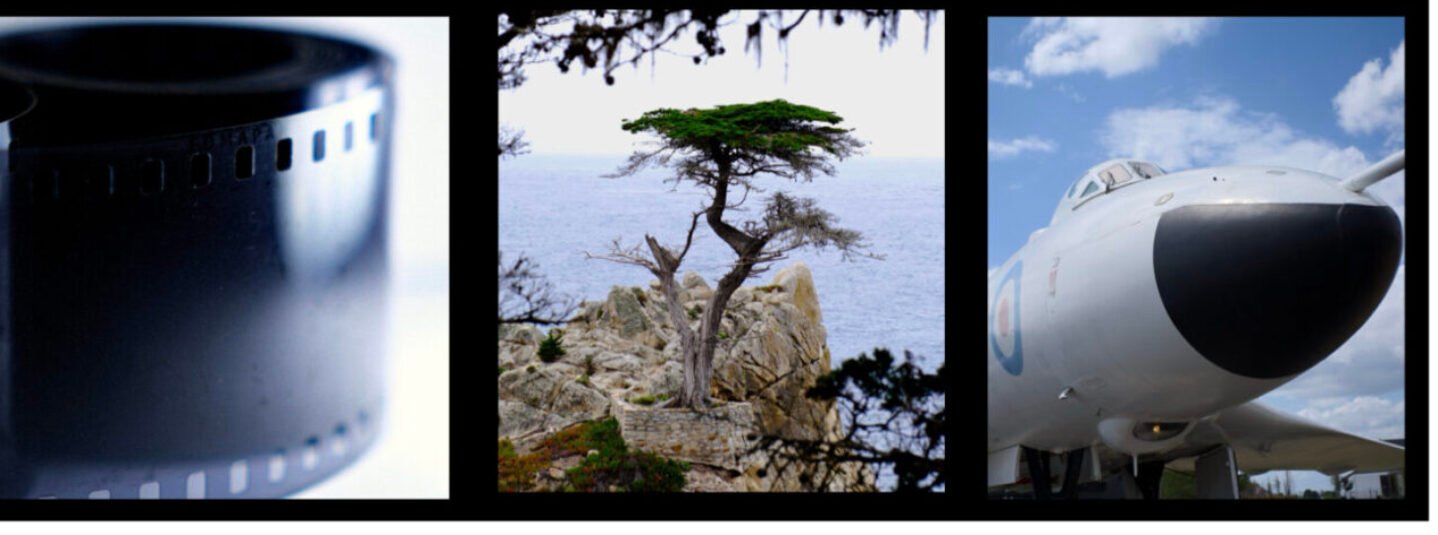
This change of view also requires a change of thinking when it comes to framing your shots, and leads to taking photo dip/triptychs, multipart pseudo panoramas and all manner of subtly different image styles compared to everyday photographs. You really are able and need to think beyond the single frame to get the most out of a PEN or any other half-frame camera.
Logically, there’s also a small price to pay in terms of image quality, especially if you want to enlarge a photo. But all the PEN’s are blessed with D.Zuiko lenses, so you at least get a good start!
Simply put, most of the PEN series, and especially the EE models, are really good point-and-shoot cameras. There’s no focusing, nor even a zonal range setting lever, no nothing. You load the film, set the film speed and choose your subject.
Naturally then, there are limitations with this simplicity and with a camera whose lineage dates back to the 1950’s and 60’s.
One is that there’s only 2 shutter speeds, 1/40 and 1/200, and should the required shutter speed drop below 1/40, a red plastic “flag” emerges into the viewfinder when you press the shutter button, preventing release at the same time.
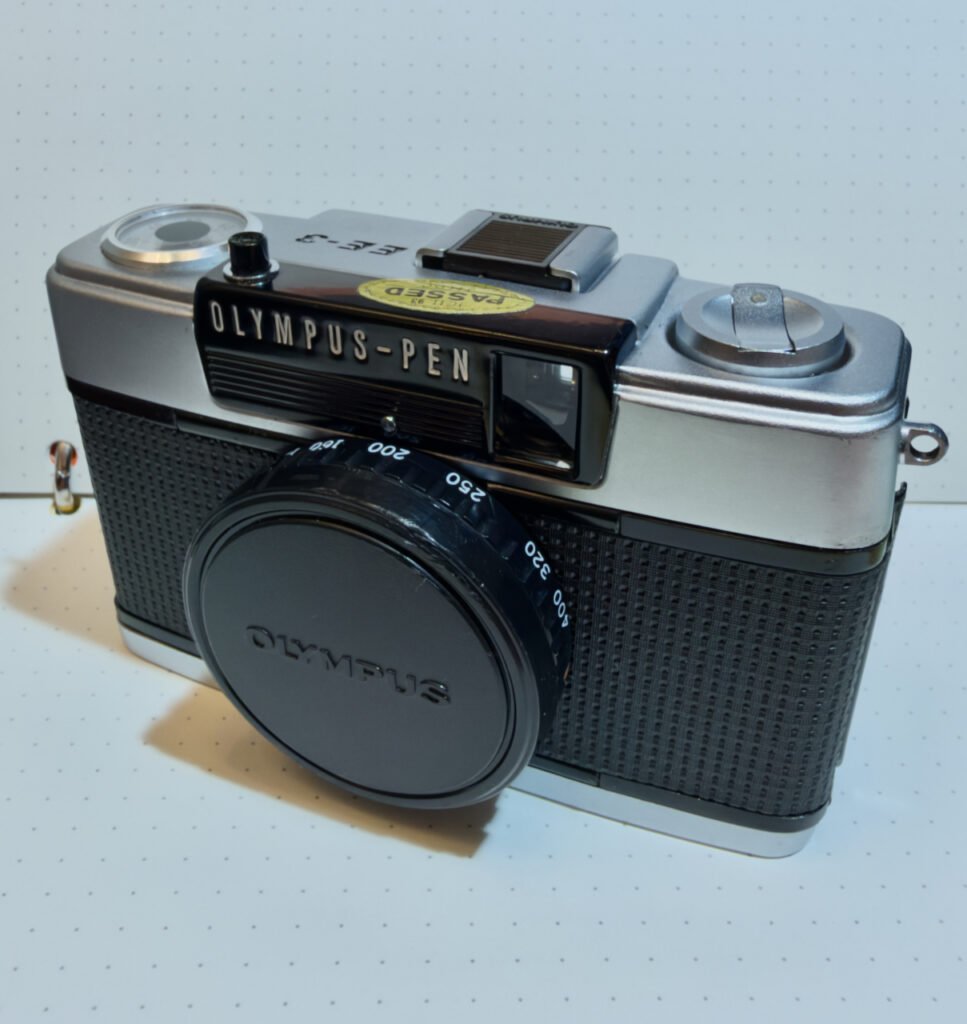
My Pen EE-3 was a bit of a bargain off Vinted of all places. It looked OK, and for the price, it was worth a punt. As ever with a 40 or so year old camera, the light seals needed replacing, but for a change, the leatherette was pristine, and was one of the reasons it was worth buying. If it didn’t’ work, at least it would look nice on a shelf without spending money on a new skin.
The EE part of the model name in this series of PEN, stands for Electric Eye, and much like its Olympus Trip 35 sibling, uses a Selenium meter window around the lens, so no need for batteries. Olympus in particular seemed to carry on using Selenium cells, when most other manufacturers had moved on to Cds, Cadmium Sulphide, but this needed battery power.
The problem with Selenium cells is that if the camera has been stored in the light and with the lens cap off, the Selenium’s ability to generate a voltage is greatly reduced, to the point where there’s not enough energy to operate the camera. So finding one that’s been stored with a lens cap in place is a key factor.
Conversely, not needing batteries means you’re not having to find workarounds for obsolete and no longer in production Mercury-based cells found in large numbers of other cameras from this era. Yes, you may be able to use Silver Oxide cells, but these are usually 1.5v as opposed to the 1.35v commonly produced from a Mercury cell, and unless there’s voltage dropper circuit in any adaptor, there’s a good chance the light metering is out a few (or more!) stops as a result.
Pen EE-3 production ran from 1973 to 1983, and there’s an easy way to determine the exact build date; if you’re prepared to removed the film pressure plate from the back of the film door. Printed on here is a letter and a couple of numbers. In my case K, 9 and 9. K denotes the factory where the camera was produced (no idea sadly), whilst 9 is the last digit of the year and the second 9 the month of manufactured. Hence given the 1973 – 83 build range I’ve a camera manufactured in September 1979.
After giving the camera a bit of a clean and a once over, as well as a fresh set of light seal foam courtesy Aki-Ashai, I started to run a film through it, just to check it was indeed working.
I say started, because I soon realised one thing that I thought was working, actually wasn’t; the frame counter! So with no idea how many shots I’d taken, I opted to rewind the film and I’ll get that developed with whatever it’s on it. Yes, a bit of a waste, but I’ll at least know if the thing works in general much sooner.
As these cameras are “getting on a bit”, there’s not much in the way of electronics in them, which makes taking them apart a little easier and also considerably more mechanical when it comes to fixing. A few years of fixing large printers and cleaning disk drive heads when that was a thing, appears to have left me with the skills and steady hands needed in this case.
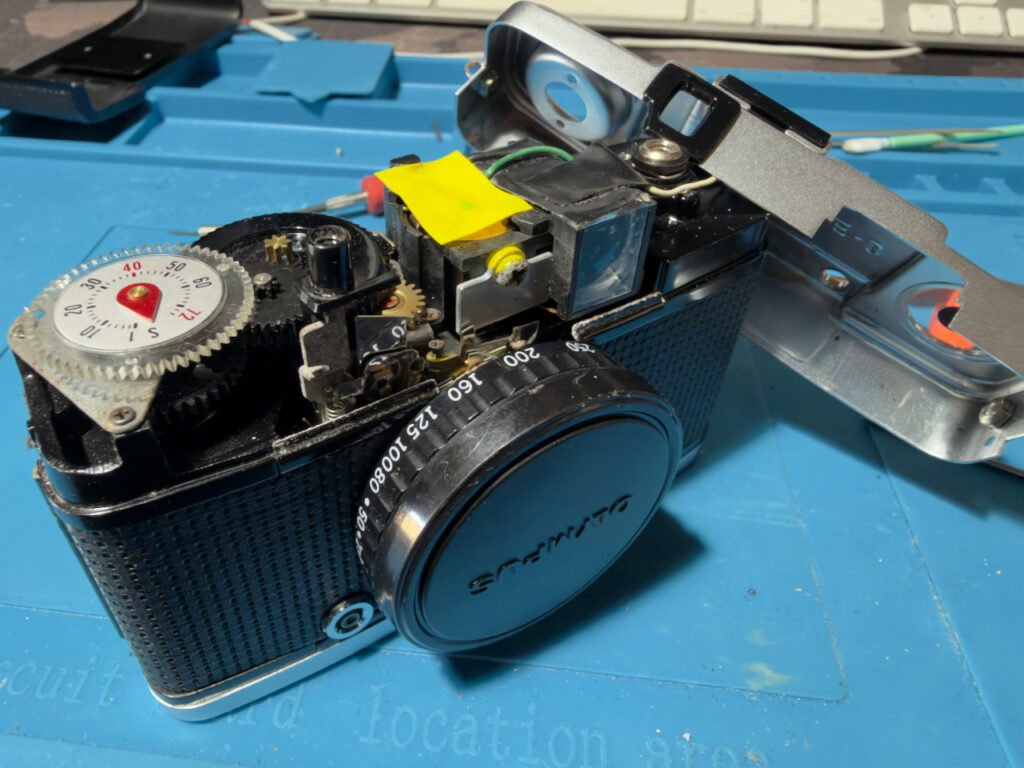
After a little bit of working out what rotated which way, and how things moved, it was suddenly obvious that the little plastic intermediate cog which sits on a floating arm underneath the frame counter and drives the indicator disc, wasn’t being pulled into position to mesh with the small brass cog you can see just to the right of the frame counter in the photo.
Looking under the indicator dial revealed a spring that should have pulled the floating arm into position. The floating arm then gets moved out the way to let the indicator wheel to spin freely, again spring powered, returning the frame count to zero when you open the camera back. The problem was the hooked end of the spring was sat on the wrong bit of the floating arm.
Deft use of a small screwdriver and a pair of tweezers allowed me to re-seat the spring and after a bit of testing with the cover and the camera back off, I reckoned it was sorted.
One of the mounting screws for the indicator assembly (which comes off in one piece and made access much easier) was also missing, another clue to the top having been off previously. Luckily the screw size and thread needed can also be found on the XA’s, and I’ve a few spares… carry on reading to find out why!
All reassembled, long expired scrap/test film put through, film counter working correctly.


As you can see, portrait view, normal 35mm height, but half the width. But the colours look good and the exposure is spot on, both images are unedited, straight from the JPEG files scanned when developed.
I’m delighted with the PEN EE-3, and I now understand why they’re still sought after by analog film lovers and collectors.
Meanwhile…. Mention of the XA series brings me to my XA2 saga.

Nothing has really changed on the repair front with the partially working XA2. The best it’s managed was a run of 7 consecutive shutter releases before it went on strike again, while it will regularly shot a couple of frames before stopping. It is utterly frustrating.
However, another XA2 arrived after being offered as untested and sold at a very reasonable price. What made me think this one might be Ok was that it was with its original box and judging by the state of the box innards, had been left untouched in someone’s drawer, possibly for a couple of decades.
A fresh pair of SR44 batteries and hallelujah, regular shutter release, low light warning LED, shutter speed changes and everything else you want it to do. Naturally, new light seals followed and a good clean.
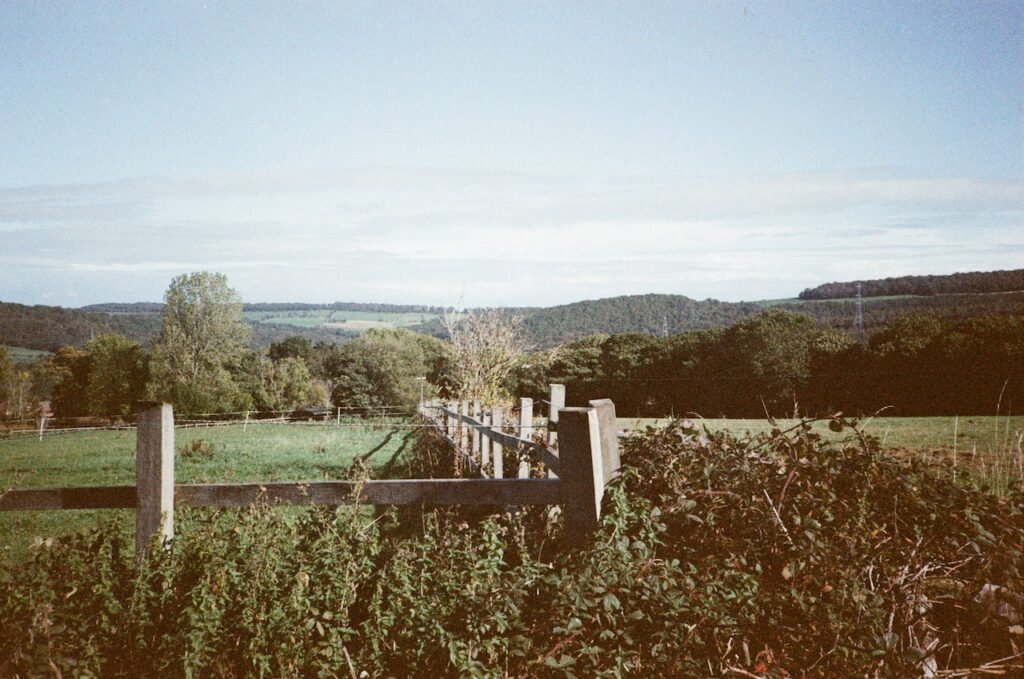
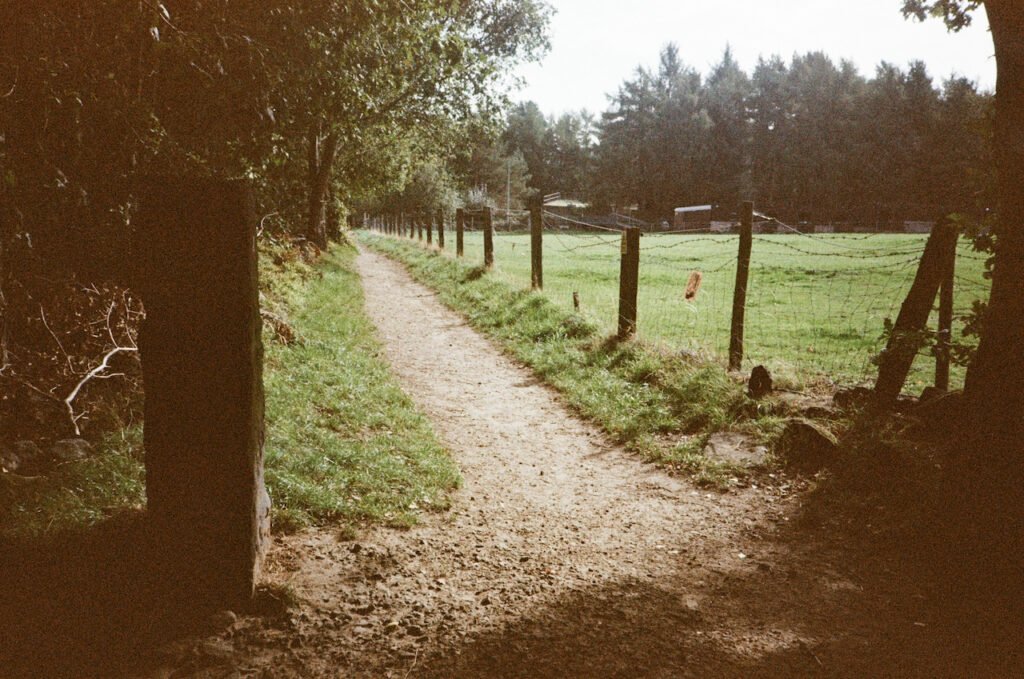
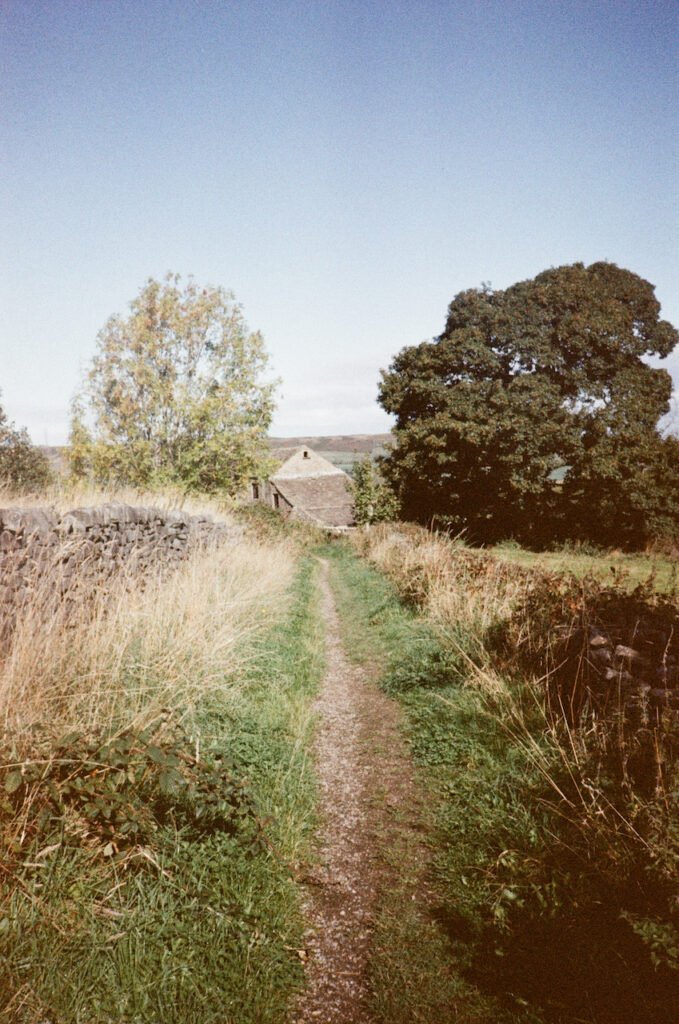
I decided to put a roll of Lomography ’92 film through the XA2, not something I’d used before, and get to see if everything really was hunk dory with the camera, and what this film looks like in terms of grain and colours as well.
An A11 flash also came with this XA2, and with an AA battery duly stuck in the battery chamber. Judging by the colours on the battery contacts at the bottom of that, no amount of cleaning will resolve a chemical discharge into the circuitry. It went to the WEEE recycling dumpster last week.
To be honest, I can now say I’m not a fan of the Lomography ’92 film, certainly not with an XA2. Much too grainy for my liking in general, colours are muted too, but some people do like that look, much depends upon what effect you’re trying to achieve.

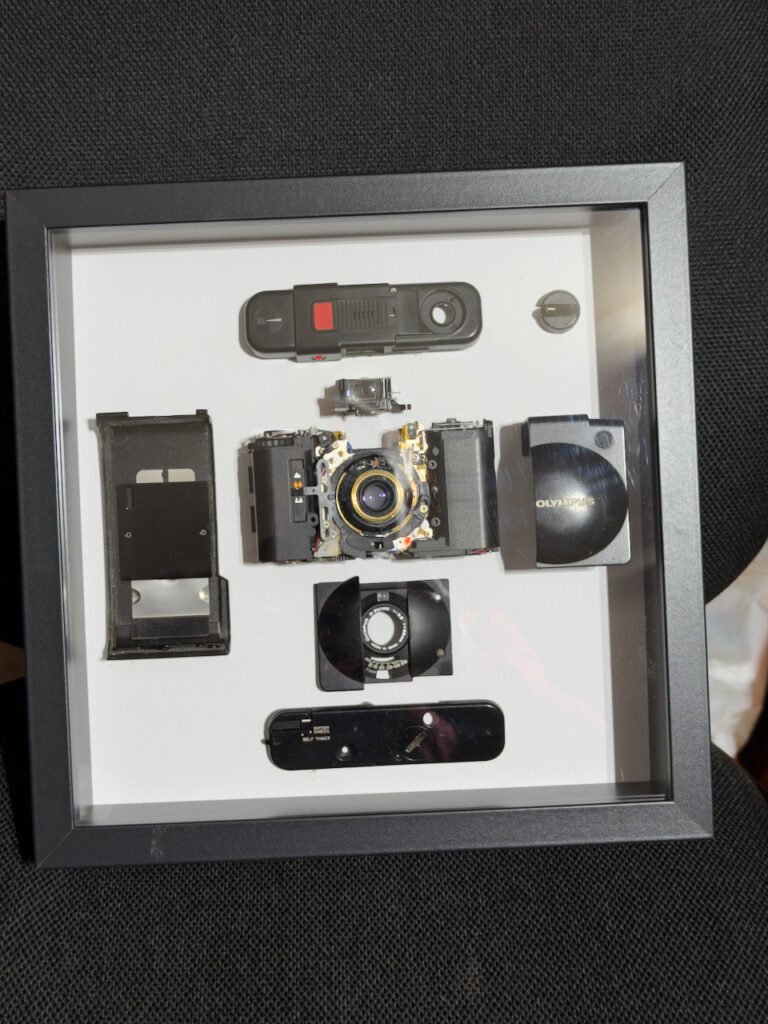
As for the “not playing, missing the film rewind release button” XA2 that detonated a few parts for the irritating almost working XA2….